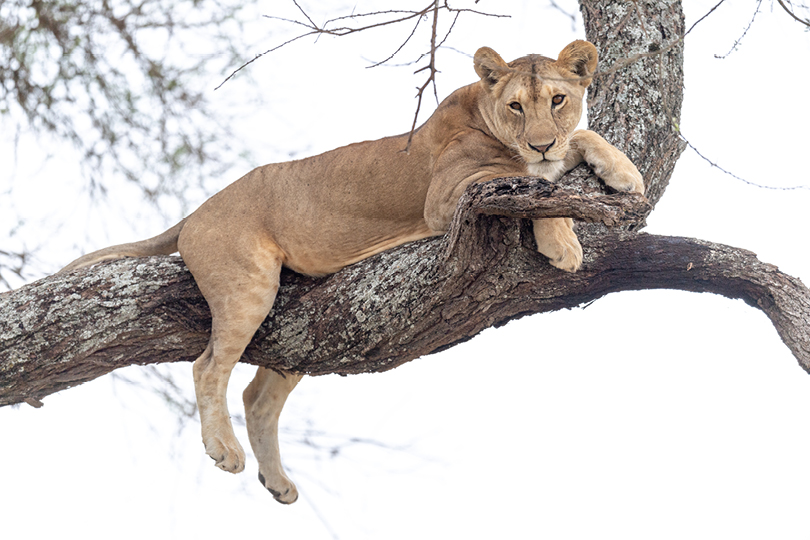
Africa’s national parks are more than just protected areas — they are living landscapes where nature thrives, cultures coexist, and adventure unfolds. From the thunderous roar of a lion on the savannah to the quiet beauty of a giraffe at sunrise, these parks offer immersive experiences that connect you to the heart of the continent. Whether you’re a wildlife lover, a photography enthusiast, or a curious traveler, Africa’s national parks promise moments that will move you forever.
Wildlife Density
Over 1,000 species of mammals, birds & reptiles across our parks.
Eco-Lodges & Camps
Stay in comfortable, sustainable lodges amidst the wild.
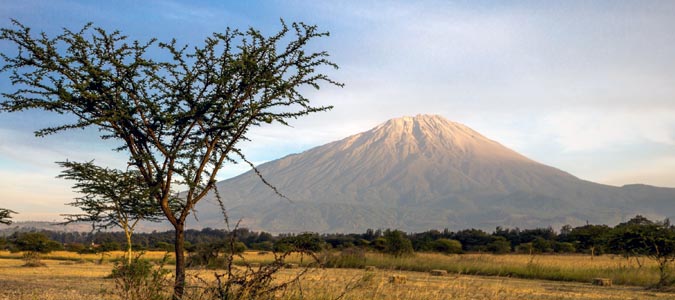
Tarangire National Park is situated in northern Tanzania, just southeast of Lake Manyara and close to the Great
Our
FAQ
Have Questions About Visiting Africa’s National Parks?
1 What’s the best time to visit each park?
The ideal time varies by park and what you want to experience.
Masai Mara (Kenya): July–October for the Great Migration.
Serengeti (Tanzania): June–October, also for the migration and dry-season game viewing
Bwindi (Uganda): June–August and December–February for gorilla trekking
Zanzibar: June–October (cool and dry), December–February (hot and dry). Dry seasons are best for wildlife visibility, while wet seasons offer lush landscapes and fewer crowds.
2 Are the parks family-friendly?
The ideal time varies by park and what you want to experience.
Masai Mara (Kenya): July–October for the Great Migration.
Serengeti (Tanzania): June–October, also for the migration and dry-season game viewing
Bwindi (Uganda): June–August and December–February for gorilla trekking
Zanzibar: June–October (cool and dry), December–February (hot and dry). Dry seasons are best for wildlife visibility, while wet seasons offer lush landscapes and fewer crowds.
3 What kind of wildlife can I expect to see?
The ideal time varies by park and what you want to experience.
Masai Mara (Kenya): July–October for the Great Migration.
Serengeti (Tanzania): June–October, also for the migration and dry-season game viewing
Bwindi (Uganda): June–August and December–February for gorilla trekking
Zanzibar: June–October (cool and dry), December–February (hot and dry). Dry seasons are best for wildlife visibility, while wet seasons offer lush landscapes and fewer crowds.
Ready to embark on an unforgettable adventure in the Tanzania? Contact us to customize your safari experience and ensure a memorable visit to this iconic reserve.