
Explore Serengeti National Park

Why Visit Serengeti National Park?
Serengeti National Park is located in northern Tanzania, forming the heart of the greater Serengeti ecosystem, which stretches across the eastern part of the Mara Region and northern Simiyu Region.
It borders Kenya’s Masai Mara to the north, the Ngorongoro Conservation Area to the southeast, and reaches toward Lake Victoria to the west.
Serengeti National Park spans an expansive area of approximately 5,700 square miles (14,763 square kilometers), making it one of Africa’s largest and most iconic wildlife sanctuaries.
Wildlife
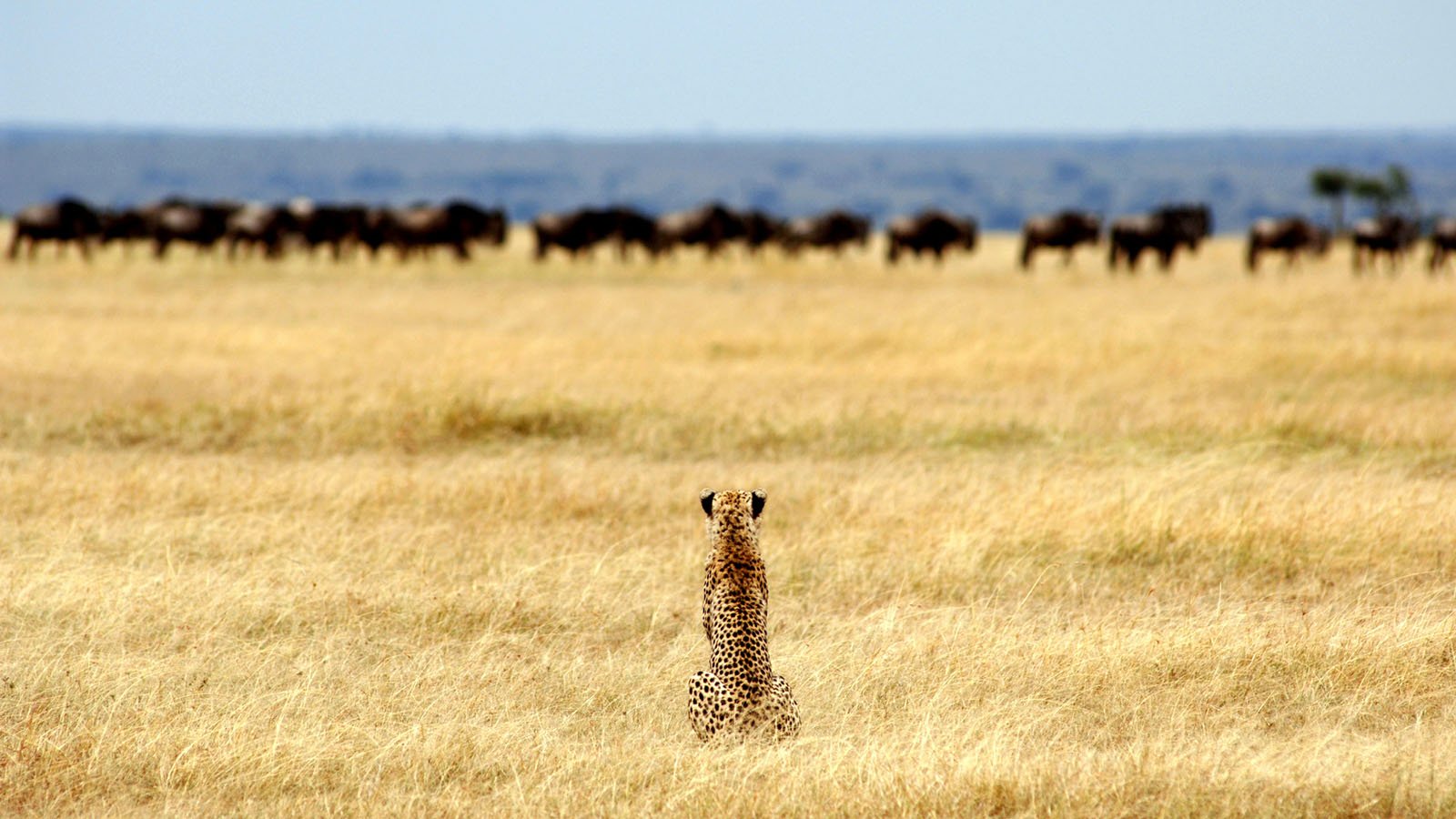
The Serengeti hosts one of the most spectacular wildlife events on Earth—the annual Great Migration. Over 1.5 million wildebeests, along with hundreds of thousands of zebras and gazelles, move across the plains in search of fresh grazing, followed closely by predators such as lions, leopards, and hyenas.
The park is home to all of Africa’s “Big Five” (lion, elephant, leopard, rhino, and buffalo), as well as cheetahs, crocodiles, giraffes, hippos, and over 500 species of birds. In recognition of its ecological importance and outstanding biodiversity, Serengeti National Park was declared a UNESCO World Heritage Site in 1981.
It remains one of the best places in the world to observe large-scale animal migrations and predators in action.

Attractions
The Great Migration: This spectacular event is a major highlight, with herds moving across the plains in search of fresh grazing.
Seronera Valley
Known for its year-round game viewing opportunities and diverse wildlife.
Lobo Valley
Offers stunning scenery with rolling hills and rocky outcrops.
Bologonja Springs
A beautiful area with abundant wildlife and birdlife.
Moru Kopjes
Granite outcrops that offer refuge for animals and provide scenic views.
Retina Hippo Pool
A great place to observe hippos in their natural habitat.
Grumeti River
Known for its crocodile-infested waters during the migration.
Olduvai Gorge
An archaeological site where early hominin fossils have been foun

Activities
- Game Drives: Explore the park’s diverse ecosystems (central, northern, western, and southern) to spot a variety of animals including lions, leopards, cheetahs, elephants, hippos, giraffes, and various antelope species.
- Birdwatching: Serengeti is a birdwatcher’s paradise, with over 500 bird species recorded, including kori bustards, ostriches, and secretary birds.
- Hot Air Balloon Safaris: A unique way to experience the vastness of the Serengeti from above.
- Walking Safaris: Offer a more intimate experience with nature and wildlife.
- Cultural Encounters: Learn about the Maasai people and their traditional way of life.
- Camping: Many campsites offer the chance to stay overnight in the heart of the park
Best Time to Visit
The Serengeti offers excellent wildlife viewing year-round. However, the best time to witness the Great Migration is from June to October, particularly during river crossings in the northern Serengeti (July–August) and calving season in the southern plains
(January–March).
Factors to consider when choosing the best time:
Great Migration: If you’re interested in witnessing the Great Migration, aim for specific months based on the herd’s location:
Southern Serengeti (January-March): Calving season, with young animals and predator activity.
Western Corridor (April-June): Wildebeest herds begin moving west, crossing the Grumeti River.
Northern Serengeti (June-October): Wildebeest cross the Mara River into the Masai Mara.