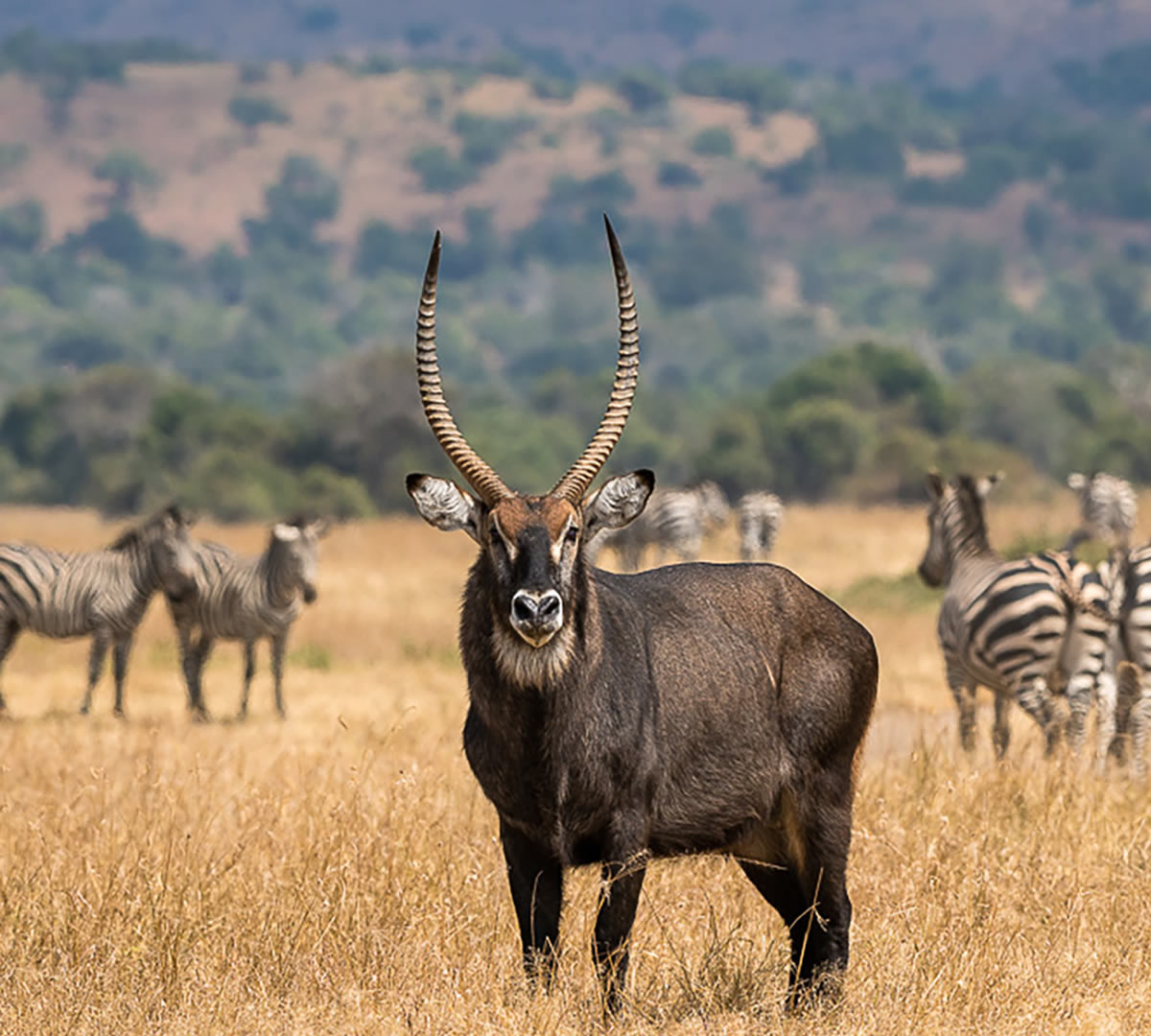
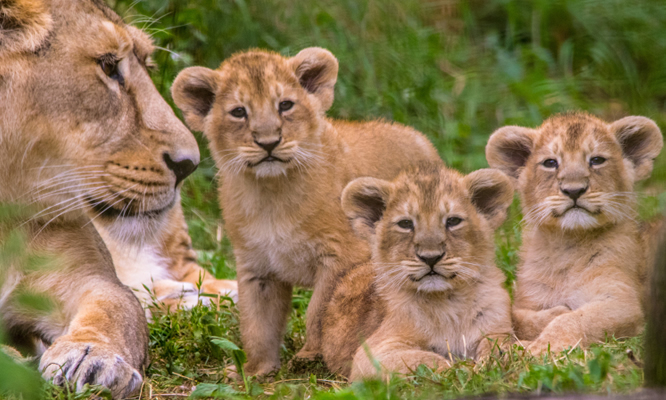
The Akagera national park is home to a great diversity of wild animals among which are: elephants, lions, buffalos, hyenas, zebras, giraffe and several antelopes like the bushbucks, roan antelope, Topis, klipspringer, Oribis, Cape eland, water-buck, duikers and impalas.
There are a number of primates species found within this park such as the olive baboons, Vervet monkeys, and the nocturnal bush babies.
The shallow waters of Lake Ihema are home to a large number of crocodiles and hippos which can best be viewed during boat rides. It also harbors approximately 520 species of birds
How to get there
The distance from Kigali to Akagera national park is about 108 kilometers and the park can be accessed by either road a short flight.
By road it takes about 2 hrs and 30 minutes drive from Kigali the capital city via the town of Rwamagana to the southern gate of the park (the northern gate is used for exit only at the moment).
The park can also be accessed via air by taking a short flight into Akagera using Akagera Aviation.
Activities in the park include
Game Drives
Boat Safaris on Lake Ihema
Bird Watching.
Spot Fishing in Lake Shakani
Best Time to Go
Akagera National Park can be visited all year round however the best time for game viewing is during the dry season that runs from June to September as the vegetation is thin offering clear views of the animals and many of the water sources have dried up which leads to most of the animals congregating around the few available sources of water.