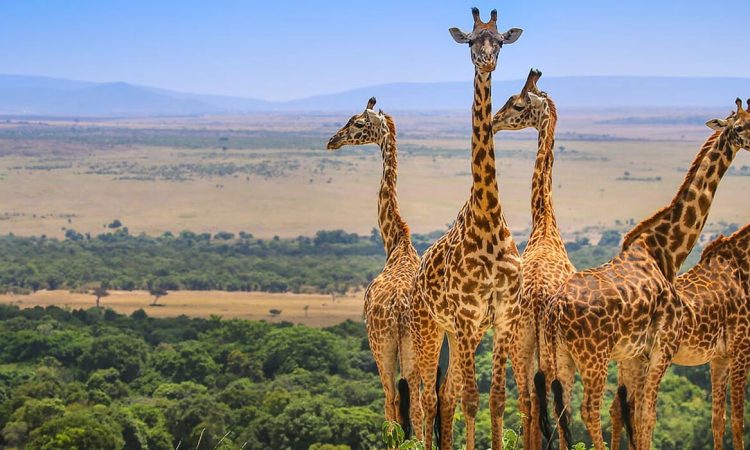
The Masai Mara is undoubtedly the most famous park in Kenya covering 1,500 square kilometers.
Nestled in the southwest of Kenya along the Tanzanian border, the Masai Mara National Reserve is an extension of the vast Serengeti ecosystem.
This breathtaking wilderness is located in Narok County. It was established in 1961 as a smaller game sanctuary covering 520 square kilometers and the reserve was later expanded and re-designated as a National Reserve in the 1970s.
Over time, portions of the land were returned to the local Maasai community, creating a model for shared conservation and human-wildlife coexistence.
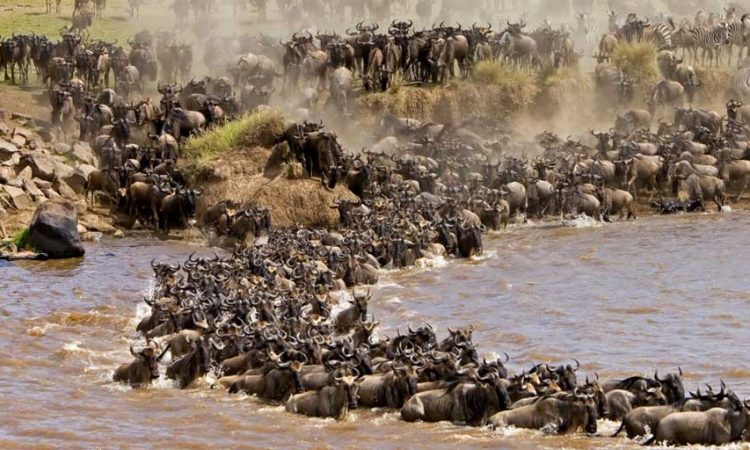
This collaboration has allowed both nature and culture to thrive side by side. Today, the Masai Mara is a symbol of untamed beauty and one of the most celebrated wildlife destinations in the world, drawing travelers who dream of witnessing nature’s most dramatic events — from lion hunts on the plains to the thundering spectacle of the Great Wildebeest Migration.
The Mara is home to the legendary Big Five — lion, leopard, elephant, rhino, and buffalo — and is renowned for its healthy predator population.
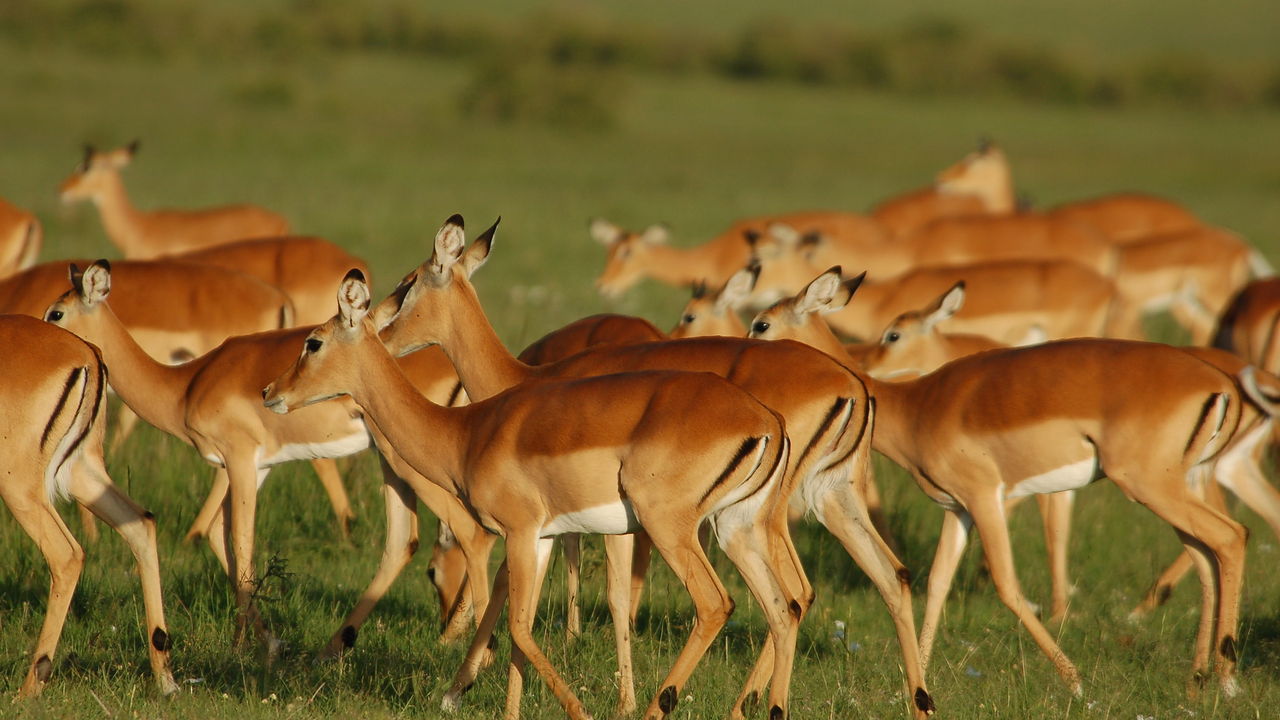
The reserve also hosts over 95 species of mammals and more than 570 species of birds, making it a paradise for wildlife enthusiasts and bird watchers alike.
Activities
Guided Game Drives.
Hot Air Balloon Safaris.
Maasai Cultural Visit.
Best Time to Visit
The best time to visit the Masai Mara is July to October to witness the Great Wildbeest Migration, but for a more budget-friendly and less crowded experience, consider the shoulder seasons or the green season. Shoulder seasons (November, early to mid-December, and June):These periods offer a good balance between pleasant weather and fewer crowds. Green season (March to May), the landscape is lush and green, making it ideal for birdwatching, but afternoon rains may be frequent.