
Explore Lake Manyara National Park

Why Visit Lake Manyara National Parks?
Lake Manyara National Park is situated along the base of the Great Rift Valley escarpment in northern Tanzania. Part of the country’s famed northern safari circuit, it lies approximately 126 kilometers (78 miles) southwest of Arusha town.
The park is conveniently located just 55 kilometers (34 miles) from the Ngorongoro Crater and about 210 kilometers (130 miles) from Serengeti National Park, making it an ideal stopover or starting point on a classic northern safari route.
The park spans approximately 325 square kilometers (125 square miles), with Lake Manyara itself accounting for around two-thirds of the area—about 230 square kilometers (89 square miles).
While relatively compact compared to other Tanzanian parks, it boasts an extraordinary variety of habitats, including groundwater forests, acacia woodlands, open savannah, and extensive wetlands.
Wildlife
The park spans approximately 325 square kilometers (125 square miles), with Lake Manyara itself accounting for around two-thirds of the area—about 230 square kilometers (89 square miles).
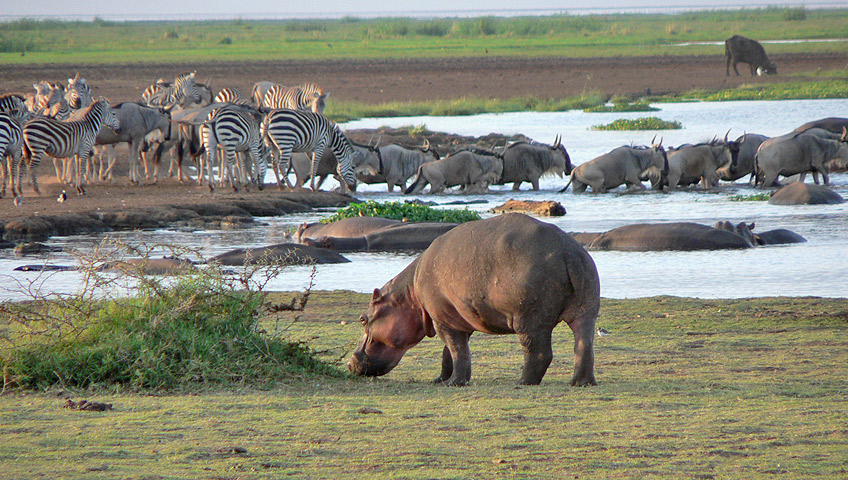
Despite its modest size, Lake Manyara National Park is famed for its dense concentration of wildlife and stunning landscapes.
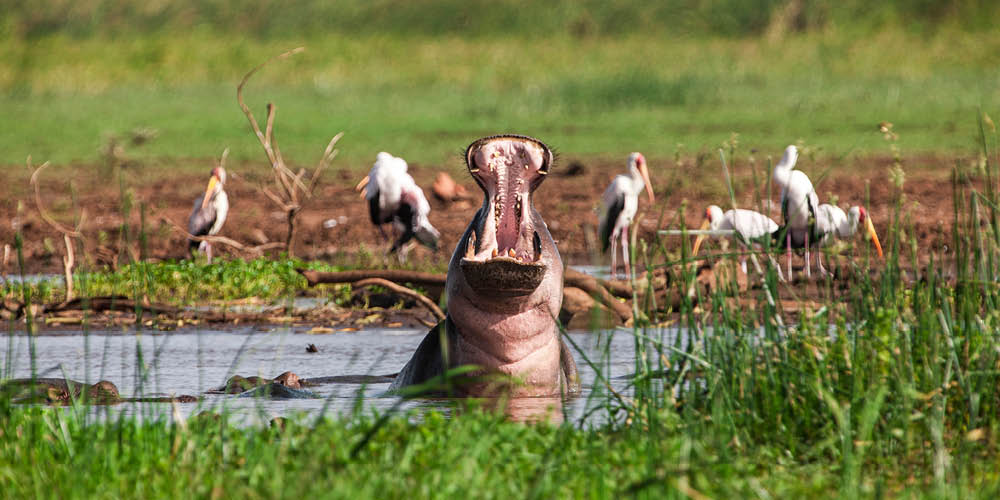
The park is home to tree-climbing lions, large troops of olive baboons, elephants, hippos, and a variety of antelope.
Its alkaline lake attracts thousands of flamingos and over 400 species of birds, making it a paradise for bird watchers.
The lush groundwater forest near the entrance is one of its most unique features, fed by underground springs flowing from the escarpment.
Activities
- Guided Game Drives: Explore the park’s diverse habitats, including the groundwater forest, acacia woodlands, and the Rift Valley soda lake, searching for wildlife like tree-climbing lions, elephants, buffaloes, and various bird species.
- Night Game Drives: Witness nocturnal wildlife activity, including lions, leopards, porcupines, and civet cats.
- Nature Walks: Take guided nature walks to get closer to the park’s flora and fauna, learning about the ecosystem from experienced guides.
- Birdwatching: Lake Manyara is a birdwatcher’s paradise: Over 400 bird species can be found, including flamingos, pelicans, storks, and various raptors. November to May is the peak season for flamingo viewing.
- Cultural Visits: Visit the nearby Mto wa Mbu village to learn about the local Maasai culture and traditions.
- Walking Safaris: Explore the park on foot, accompanied by an armed ranger, for an adventurous way to experience the natural environment.
- Gol Mountains Hike: Trek through the remote Gol Mountains, known for their pink cliffs and stunning scenery.
- Canopy Tree Walk: Walk among the treetops on the Lake Manyara Treetop walkway for a unique perspective of the forest.

Best Time to Visit
The best time to visit Lake Manyara National Park is during the dry season, from June to October. This period offers the best wildlife viewing opportunities as animals congregate around water sources and the sparse vegetation makes them easier to spot.